

If you journey through the sprawling rural landscapes of Kabankalan City, you will discover communities where the history is as rich as the soil. Among these is Barangay Camansi, a quiet but historically significant agricultural hub that holds a unique place in the cultural and culinary lineage of southern Negros Occidental.
For travelers documenting the hidden gems of the Philippines or locals tracing their provincial roots, Barangay Camansi offers a fascinating glimpse into a community built entirely on the bounty of nature. It is a place where oral history, traditional farming, and vibrant festival culture seamlessly intersect.
The Tree That Conquered Hunger
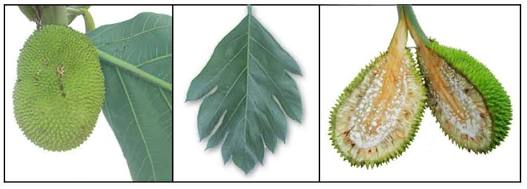
To understand the heart of Barangay Camansi, you have to look at its name. The barangay is named after the Kamansi tree (Breadnut—Artocarpus camansi), a large, broad-leafed tree native to the region that produces large, spiky, and incredibly nutritious green fruits.
Source: StuartXchange
According to local elders, long before the area was formally organized into a barrio, it was a vast, untouched wilderness abundant with towering Kamansi trees. The early settlers were pioneers who lived far apart in a densely forested landscape. They relied heavily on the land to survive.
The Kamansi tree became the absolute lifeline of the community. In Philippine regional culinary history, the unripe Kamansi fruit is often cooked as a vegetable—usually stewed in rich coconut milk (ginataang kamansi). Because these trees bore plentiful fruit year-round, and the surrounding lands were rich with native root crops, the early settlers of this area boasted that hunger simply did not exist here. The land provided everything they needed.
By the 1960s, as the population grew and schools built of light materials were established, the small settlement officially took the name “Camansi” to honor the benevolent tree that sustained their ancestors.
An Agricultural Stronghold
Today, the spirit of self-sufficiency still defines the barangay. While the thick forests of the past have been cleared for organized agriculture, Camansi remains one of Kabankalan City’s most vital farming communities.
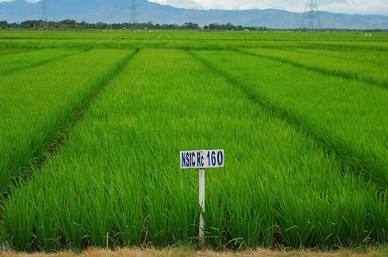
The residents transitioned from foraging wild root crops to cultivating expansive, highly productive farmlands. The local economy is driven primarily by:
- Palay (Rice) and Corn: The flatlands and irrigated areas are dedicated to staple crops, serving as the primary source of income for most households.
- Vegetable Farming: The fertile soil allows for year-round vegetable cultivation, which is transported and sold in the bustling public markets of the Poblacion.
Source: Philippine News Agency
Living in Camansi is a masterclass in traditional Philippine rural life. The community operates on a deep sense of bayanihan (communal unity), where neighbors assist each other during planting and harvesting seasons.
The Spirit of the Sinulog Festival
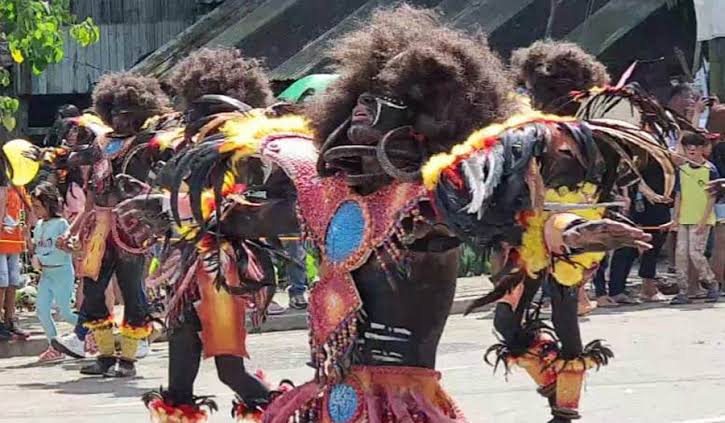
Despite its quiet, agricultural daily routine, Barangay Camansi transforms into an explosion of color and rhythm every January. The barangay is a fierce competitor in the annual Kabankalan Sinulog Festival, one of the biggest and most dynamic cultural festivals in southern Negros.
The barangay is proudly represented by Tribu Camansi. During the festival, the residents trade their farming tools for elaborate tribal costumes, blackened faces, and rhythmic drums. They descend into the city proper to participate in the grand tribal parade and street dancing arena competition, dancing in devotion to the Señor Santo Niño.
Source: Visayan Daily Star
Their participation in the Sinulog is not just about winning; it is a display of the community’s immense pride, religious devotion, and the unbroken cultural energy that pulses through even the most rural barangays of the city.
Moving Forward
Currently led by its dedicated barangay officials, Camansi is pushing for continuous rural development. Infrastructure projects, such as the paving of farm-to-market roads, are slowly bridging the gap between the rural farmlands and the commercial center of Kabankalan City.
Barangay Camansi is a living reminder that the true wealth of a city doesn’t just lie in its concrete buildings or commercial markets. It lies in its soil, its history, and the enduring resilience of the people who cultivate it.