

If you head 29 kilometers south-central from the busy Poblacion of Kabankalan City, traversing the scenic mountain dirt roads via the Salong-Tapi or Tabo-Tapi routes, you will arrive at a barangay steeped in profound historical and economic significance.
Welcome to Barangay Magballo.
Nestled near the provincial boundary of Ilog, Magballo is a sprawling rural community of over 5,800 residents. But to truly appreciate this barangay, one must look beyond its quiet, sun-drenched sugarcane fields. For historians, cultural enthusiasts, and locals tracing the roots of Kabankalan’s economy, Magballo represents the fascinating crossroads where indigenous heritage met the unstoppable rise of the Negros sugar industry.
The Ancient Trading Post: The Origin of “Magballo”
Long before cash currencies dominated the economy, the survival of both the upland indigenous tribes and the coastal lowlanders relied entirely on mutual trade.
Centuries ago, the area that is now Barangay Magballo was a dense, fertile meeting ground. It served as the beating heart of barter activities between the Maghats (the nomadic indigenous natives of the highlands) and the lowland settlers. The Maghats would descend from the mountains carrying wild game, root crops, and forest products, exchanging them for salt, fish, and modern tools brought by the lowlanders.
This vital system of exchange is permanently etched into the barangay’s name. According to local historians, “Magballo” is a Spanish-era derivation that combines the name of the native tribe (Maghat) and the Hiligaynon/Ilonggo word for exchange or barter (Baylohanay).
For generations, the name Magballo has stood as a living testament to coexistence and ancient commerce.
The 1960s Agricultural Shift: From Vegetables to Sugar
Because of its exceptionally high soil fertility, Magballo was traditionally a food-producing powerhouse. Early settlers enjoyed an abundance of high-yield vegetables, rice, and root crops that easily sustained the local population.
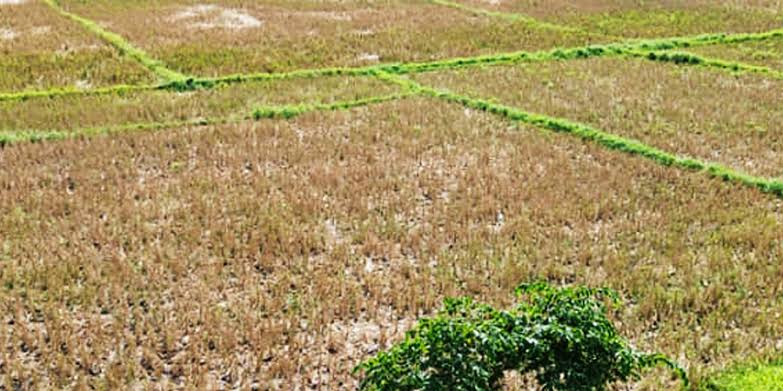
However, the destiny of Magballo shifted dramatically in the 1960s. As Negros Occidental cemented its reputation as the “Sugar Bowl of the Philippines,” massive sugar centrals were established in neighboring areas. The global demand for sugar was insatiable, and the vast, flat agricultural lands of Magballo were perfectly suited for it.
Source: Visayan Daily Star
The barangay underwent a massive agricultural transformation. The local production pattern shifted aggressively from diverse food cultivation to the mono-crop production of sugarcane for export. Today, Magballo is an integral part of the Negros sugar country. During the tiempo suerte (milling season), the barangay is a hive of activity as massive trucks haul thousands of tons of harvested sugarcane from its fields down to the city’s mills.
Unearthing Adventure: The Magballo Cave
While agriculture dominates the landscape, Magballo also holds a secret for eco-tourists and adventure seekers: the Magballo Cave.
Located in the eastern part of the barangay, this natural wonder adds a touch of mystery to the area. Unlike easily accessible roadside tourist spots, reaching the cave often involves a localized boat ride and a bit of trekking, making it a rewarding challenge for spelunkers. The presence of such natural formations hints at the complex underground water systems that have kept the soil of Magballo so fertile for centuries.
A Resilient Community
Today, Magballo is a thriving, steadily growing community. While public transport from the Kabankalan city proper still relies heavily on scheduled bus services and privately owned jeepneys navigating the rugged routes, the distance only strengthens the community’s bond.
The residents are deeply hardworking, balancing the grueling demands of the sugarcane harvest with a quiet, rural lifestyle that honors their history. They celebrate their own localized charter anniversaries, remembering the days when their home was the ultimate gathering place for the people of the island.
Barangay Magballo is more than just a dot on the Kabankalan map. It is the historic bridge between the Maghats and the lowlanders, and the agricultural engine that continues to sweeten the economy of the Rising City of the South.