

If you travel roughly 12 kilometers upland from the bustling city proper of Kabankalan in Negros Occidental, you will find yourself in a sweeping, verdant valley known as Barangay Tan-Awan.
Spanning an impressive 3,461 hectares of mountainous terrain, plains, and valleys, Tan-Awan is not just a geographic giant in the city; it is a place steeped in fascinating local lore, agricultural resilience, and untouched natural beauty. For tourists seeking an off-the-beaten-path destination in the Negros Island Region, and for locals tracing their heritage, Tan-Awan offers a glimpse into a tranquil yet fiercely proud rural community.
The Legend of Papa Esyo and Mount Bondok
To understand Barangay Tan-Awan, you must first understand its history, which reads like a captivating folk tale passed down through generations.
Long before it was an official barangay, this highland area was the domain of the legendary Papa Esyo (Papa Isio), a prominent figure and leader among the natives. According to local elders, Papa Esyo fiercely protected this land, determined to keep it secure for his clan, who were the original inhabitants of the wide upland areas.
He strategically established his home on Mount Bondok—often referred to by locals as the “second Mount Kanlaon” for its imposing presence on the eastern edge of the area. From this vantage point, Papa Esyo stationed his warriors. This specific outpost became known as the Tan-awan—a Hiligaynon word that translates to “a place to view or look out from.” Because the detachment offered a sweeping, panoramic view of the lowlands, anyone entering the territory could be seen from miles away.
Today, that strategic lookout point has evolved into a thriving community, but the name Tan-Awan remains as a tribute to its historical roots as the watchful eye of the mountains.
A Thriving Agricultural Economy
While its history is rooted in defense and vigilance, modern-day Tan-Awan is characterized by peace and agricultural productivity. With a population of over 7,200 residents spread across 43 sitios (sub-villages) and 6 puroks, the barangay is a vital contributor to Kabankalan City’s food supply.
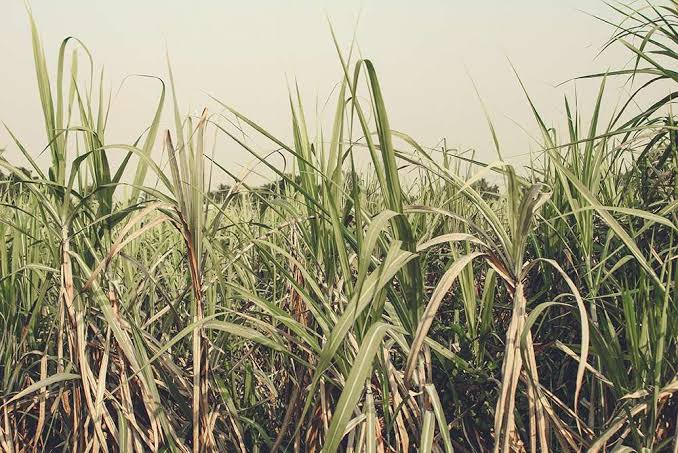
The people of Tan-Awan are deeply connected to the land. The local economy is almost entirely driven by agribusiness and traditional farming. A walk through the barangay reveals vast patches of cultivated land yielding a diverse array of crops:
- Staple Crops: Upland rice and corn remain the primary sources of sustenance and income.
- Vegetables and Root Crops: Peanuts, sweet potatoes, and various leafy greens thrive in the cool, elevated climate.
- Cash Crops and Trees: Coffee plantations, coconut groves, and bamboo add significant value to the local economy.
- Fuel Production: The cultivation of Ipil-ipil trees provides a sustainable source of wood for charcoal and fuel production, a traditional livelihood that continues today.
In addition to farming, livestock and poultry raising are integral to the household economies of the residents, creating a self-sustaining community that is slowly but surely transitioning into larger-scale agricultural business.
Source: Climate Tracker Asia
Why Tan-Awan Matters to Kabankalan City
Despite being categorized as an urban barangay by the Philippine Statistics Authority due to its population density in certain areas, Tan-Awan retains a distinctly rural and serene atmosphere. It represents the “green lung” of Kabankalan City.
The local government has recognized the potential of this sprawling valley. With four elementary schools, three high schools, and numerous day-care centers, education is reaching deeper into the mountainous sitios. Financial inclusion is also improving, with micro-finance institutions like ASA, KMBI, and Dungganon empowering local farmers to expand their agricultural ventures.
The Future: Rural Tourism Potential
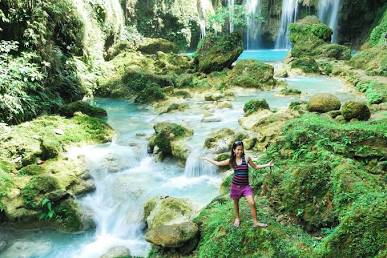
Because of its high elevation, cool climate, and the historical mystique surrounding Mount Bondok, Barangay Tan-Awan is a sleeping giant for eco-tourism. The expansive views that once served as a military lookout now offer breathtaking panoramas for nature lovers, hikers, and mountain bikers.
As Kabankalan City continues to grow—driven by new malls, city developments, and the upcoming airport—places like Tan-Awan will become essential retreats. It stands as a reminder of the city’s roots: a proud, self-sufficient community watching over the valley, just as it has done for centuries.